Private Ljubljana City Tour from Bled
Slovenia’s charming capital on this private 6-hour Ljubljana city tour from Bled.


Slovenia’s charming capital on this private 6-hour Ljubljana city tour from Bled.



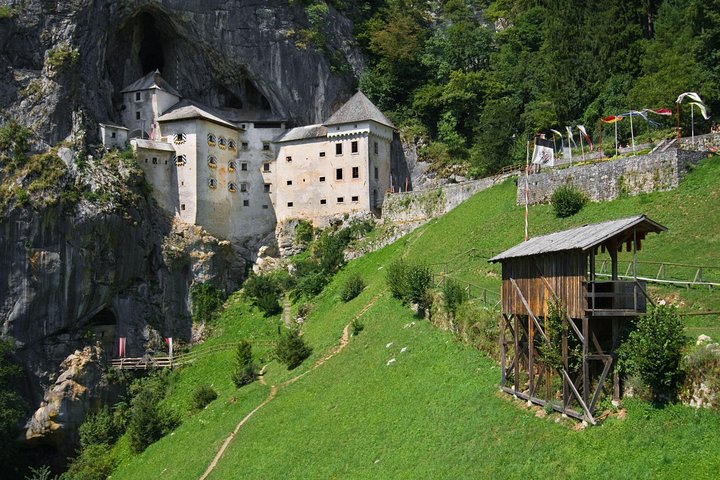
Imagine walking on ancient Roman roads where emperors once traveled, stepping into caves that sheltered our earliest ancestors, or standing among ruins that witnessed the rise and fall of civilizations. Slovenia, a small Alpine country nestled between Italy, Austria, and Croatia, offers exactly this kind of time-traveling experience for archaeology enthusiasts.
This compact nation packs an incredible density of historical sites into its picturesque landscape. From Roman settlements buried beneath modern cities to prehistoric cave systems that tell the story of early human habitation, Slovenia archaeology tours open doors to millennia of European history. What makes these experiences truly special is their intimate scale – you’re not fighting crowds at major tourist sites, but rather discovering hidden gems with knowledgeable guides who bring ancient stories to life.
Slovenia’s strategic location at the crossroads of ancient Europe created a perfect storm for archaeological richness. Throughout history, this region served as a bridge between the Mediterranean world and Central Europe, making it a melting pot of civilizations that left their mark in stone, pottery, and settlement patterns.
The country’s archaeological landscape reflects influences from Roman legions who established thriving cities, Celtic tribes who worked iron and traded across Europe, Slavic peoples who brought new customs and languages, and later Austro-Hungarian rulers who built upon existing foundations. This cultural layering means that virtually every region holds archaeological treasures waiting to be explored.
What sets Slovenia apart from other European archaeological destinations is its manageable size combined with remarkable diversity. Within a single day, you can explore Roman ruins in the morning, visit medieval castle foundations in the afternoon, and discover prehistoric cave art by evening. The country’s well-preserved historical sites, combined with its stunning natural beauty, create an archaeological tourism experience that feels both educational and deeply rewarding.
Modern Ljubljana sits atop the ancient Roman settlement of Emona, founded in the 1st century AD. Archaeological excavations have revealed impressive sections of Roman walls, street layouts, and building foundations that visitors can explore today. The city’s underground archaeological sites offer a fascinating glimpse into daily life during Roman times, with remnants of houses, workshops, and public spaces that paint a vivid picture of this important regional center.
As Slovenia’s oldest recorded town, Ptuj boasts over 2,000 years of continuous habitation. Archaeological evidence reveals layers of Roman, medieval, and Renaissance history stacked one upon another. The town’s Roman heritage is particularly impressive, with excavated bathhouses, temple foundations, and artifacts that demonstrate Ptuj’s importance as a major Roman settlement along the Danube trade route.
Once known as Roman Celeia, modern Celje conceals extensive archaeological treasures beneath its city center. Excavations have uncovered Roman street systems, residential areas, and public buildings that showcase the sophistication of this ancient urban center. The archaeological finds demonstrate how Celeia served as a crucial administrative and military hub during the height of Roman power.
This UNESCO World Heritage Site combines natural wonder with archaeological significance. The caves contain evidence of prehistoric human habitation dating back thousands of years, including artifacts and remains that tell the story of early European settlement patterns. The underground river system and massive chambers create a dramatic backdrop for understanding how ancient peoples adapted to and utilized these natural shelters.
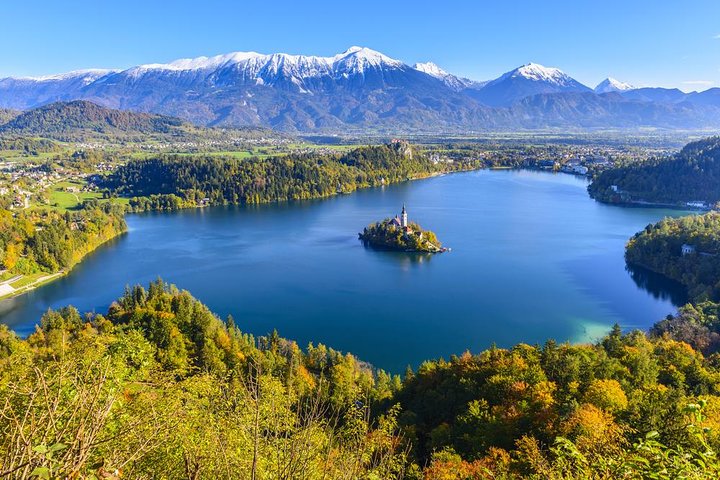
The stunning alpine lakes of Bled and Bohinj are surrounded by archaeological sites that span from the Iron Age through medieval times. Castle foundations, settlement remains, and burial sites reveal how successive cultures took advantage of these strategic locations. The area’s archaeological record provides insights into trade routes, defensive strategies, and daily life in mountainous regions.
While famous for its World War I history, the Soča Valley also contains significant archaeological sites that predate the modern conflicts. Ancient settlement patterns, Roman-era finds, and medieval structures demonstrate the valley’s long history as a transportation corridor and strategic location. The combination of natural beauty and historical depth makes this region particularly compelling for archaeology enthusiasts.
Slovenia’s archaeological sites are best explored through guided tours that provide context and access to locations that might be difficult to navigate independently. Many of these experiences are designed as day trips that combine historical exploration with cultural immersion and natural beauty.
Walking tours through ancient Roman towns offer intimate encounters with history, allowing visitors to literally follow in the footsteps of ancient peoples. These tours often include access to archaeological sites that are not typically open to the general public, providing exclusive insights into ongoing excavations and recent discoveries.
Day trips frequently combine archaeological sites with complementary attractions like medieval castles, traditional villages, or scenic landscapes. This approach recognizes that history doesn’t exist in isolation – it’s woven into the fabric of local culture and geography. Visitors might explore Roman ruins in the morning, enjoy traditional Slovenian cuisine at lunch, and visit a local museum with archaeological collections in the afternoon.
Professional guides play a crucial role in bringing these ancient sites to life. They provide historical context, explain archaeological techniques, and share stories that transform piles of stones into vibrant communities from the past. Many guides are trained archaeologists or historians who can answer detailed questions and provide insights that go far beyond basic tourist information.
Slovenia archaeology tours are designed to be accessible to travelers with varying levels of historical knowledge and physical ability. Most tours involve moderate walking on uneven surfaces, as archaeological sites often require navigating around excavations, climbing stairs, or walking on ancient stone paths.
Many archaeological sites are located outdoors or in rural areas, so weather can affect the experience. Tours typically operate year-round, but spring through autumn offers the most comfortable conditions for exploring open-air excavations and hiking to remote sites. Indoor archaeological museums and covered sites provide alternatives during inclement weather.
The storytelling aspect of these tours is particularly strong, with guides who excel at making ancient history relevant and engaging for modern travelers. They often use artifacts, maps, and visual aids to help visitors understand how archaeological sites fit into broader historical contexts. This approach makes the tours suitable for curious travelers of all ages and backgrounds.
English-speaking guides are commonly available for organized tours, and many sites offer multilingual informational materials. The tours are well-suited for solo travelers seeking intellectual stimulation, couples interested in shared discovery, and families with children old enough to appreciate historical narratives.
Group sizes are typically kept small to ensure personalized attention and to minimize impact on sensitive archaeological sites. This intimate approach allows for detailed discussions, questions, and the flexibility to spend more time at sites that particularly interest the group.
A: Not at all! Tours are designed for all knowledge levels, with guides who explain everything in an engaging, accessible way. Whether you’re a complete beginner or have some historical background, you’ll find the experience educational and enjoyable.
A: Yes, many tours accommodate different ages and mobility levels. However, it’s important to check specific tour details for:
A: Spring through autumn (April-October) offers the best conditions:
A: Yes! Škocjan Caves holds UNESCO World Heritage status due to both its natural significance and archaeological importance. This protection ensures:
A: While some sites offer self-guided options, organized tours provide significant advantages:
Slovenia offers a unique archaeological tourism experience that combines rich historical sites with the intimacy of a small, uncrowded destination. Unlike major European archaeological attractions that can feel overwhelming or commercialized, Slovenia’s archaeological sites maintain their authentic character while providing world-class insights into European history.
Whether you’re exploring the underground remains of Roman Emona, walking through the ancient streets of Ptuj, or venturing into prehistoric caves that sheltered our earliest ancestors, Slovenia archaeology tours offer a quiet, fascinating, and deeply enriching way to travel. The country’s archaeological treasures provide windows into millennia of human history, all set within landscapes that remain as beautiful today as they were thousands of years ago.
For travelers seeking meaningful cultural experiences off the beaten path, Slovenia’s archaeological sites deliver exactly what’s missing from more crowded destinations: the space and time to truly connect with the past, guided by experts who are passionate about sharing these hidden historical gems with curious visitors from around the world.