
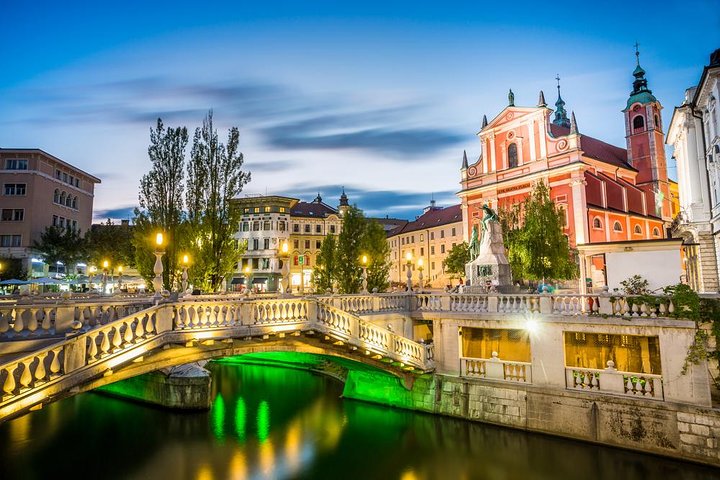
Slovenia Street Art Tours

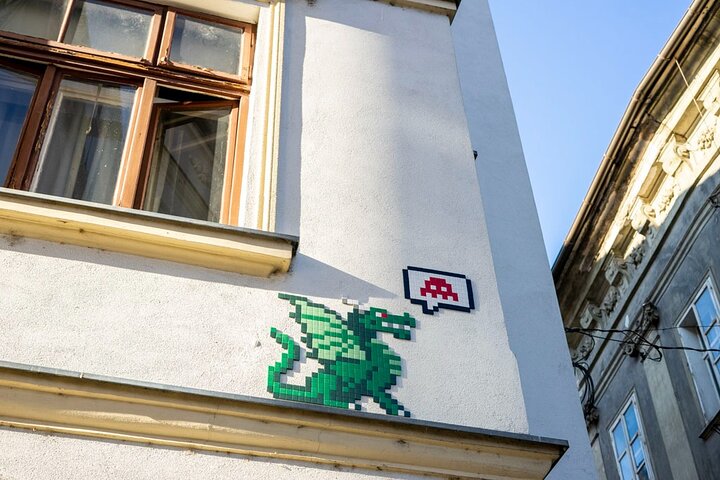

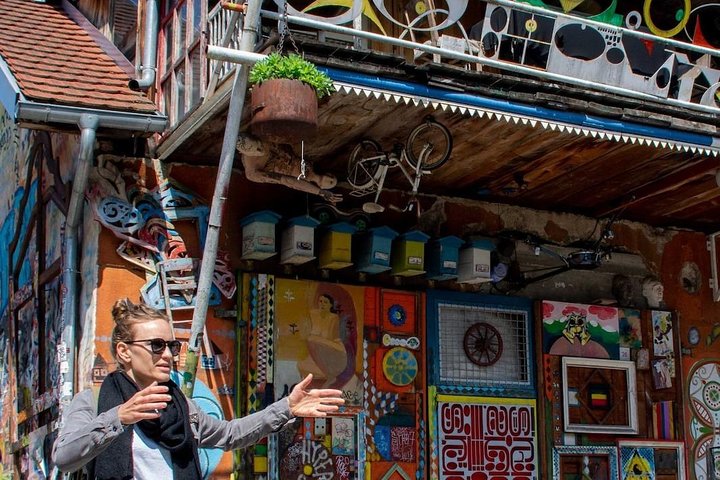

Slovenia Street Art Tours are a refreshing way to explore the country’s cities—beyond castles and cobblestones, you’ll find bold murals, thought-provoking graffiti, and colorful corners that reveal the modern pulse of Slovenia. While Ljubljana Castle draws the crowds, the real creative energy flows through underground passages, abandoned buildings, and neighborhood walls where local artists have transformed urban spaces into outdoor galleries.
Key Takeaways
- Dive into Ljubljana’s buzzing graffiti and mural scene
- Discover alternative neighborhoods shaped by local artists
- Learn the stories behind Slovenia’s vibrant urban canvases
- Experience culture beyond traditional museums and galleries
- Walking and biking tours available in major cities
- Year-round activity with optimal conditions spring through autumn
Why Street Art Tours Matter
Traditional sightseeing shows you Slovenia’s past—medieval squares, baroque churches, and Renaissance facades. Street art tours reveal the country’s present. Each mural tells a story about community struggles, political changes, or simply an artist’s vision for their neighborhood. The difference between walking through Ljubljana’s old town and exploring Metelkova’s graffiti-covered walls is like comparing a history textbook to a conversation with locals at a coffee shop.
Street art reflects real cultural currents. When Slovenian independence brought new freedoms in the 1990s, walls became canvases for expression that had been suppressed for decades. Today’s street art scene continues that tradition, with artists commenting on everything from environmental issues to urban development.
Where Street Art Comes Alive
Ljubljana serves as Slovenia’s street art capital. The Metelkova district, once military barracks, now pulses with alternative culture and wall-to-wall artwork. Trubarjeva Street showcases large-scale murals that change seasonally, while the Slovenian railway underpass near the main station features rotating exhibitions of legal graffiti.
Beyond the capital, Maribor offers a grittier street art experience along the Drava River, where abandoned industrial buildings provide massive canvases for bold installations. Celje surprises visitors with subtle stencil work tucked into medieval alleyways, creating interesting contrasts between old architecture and contemporary art.
Smaller towns like Kranj and Koper have developed their own street art personalities—Kranj focuses on environmental themes reflecting its alpine location, while Koper’s coastal position influences maritime-themed murals.
The Art You’ll Encounter
Slovenia’s street art scene encompasses multiple styles and techniques. Large-scale murals dominate building walls, often depicting local landscapes reimagined through artistic filters. Stencils appear frequently in Ljubljana, with political and social commentary delivered through quick, reproducible designs.
Wheat-paste installations pop up overnight, featuring portraits of local figures or abstract compositions that blur the line between street art and fine art. 3D installations transform abandoned spaces—old doorways become portals, and forgotten corners become immersive art experiences.
The artist mix includes established Slovenian creators like Jernej Forbici and Miha Perne, alongside international visitors who leave their mark during festivals or artist exchanges. This combination creates a dialogue between local perspectives and global street art movements.
What Makes These Tours Special
Street art tours operate differently than traditional city walks. Guided experiences typically last 2-3 hours and focus on storytelling—guides explain the social context behind major pieces, introduce artist techniques, and share neighborhood histories that museums rarely cover.
Self-guided options provide maps and audio commentary, perfect for travelers who prefer exploring at their own pace or returning to photograph specific locations. Many tours include stops at artist studios or galleries where street artists also display indoor work.
Evening tours have gained popularity because artificial lighting creates dramatic shadows and highlights that change how artwork appears. Some pieces specifically designed for night viewing become completely different experiences after sunset.
Timing Your Street Art Adventure
Street art exists year-round, but outdoor tour conditions vary significantly with seasons. Spring through early autumn (April-October) provides comfortable walking weather and longer daylight hours for photography.
Summer months offer extended evening tour options, though midday heat can make lengthy walks uncomfortable. Winter tours require warm clothing but reward visitors with smaller groups and locals-only atmosphere in neighborhoods that become tourist-free zones.
Festival seasons (particularly late spring and early summer) coincide with new artwork appearances, as events like Urban Festival Ljubljana bring international artists for live painting sessions.
Who Should Join Street Art Tours
Photography enthusiasts find street art tours particularly rewarding—the variety of colors, textures, and subjects provides endless creative opportunities without needing special permissions or entrance fees that museum photography often requires.
Design professionals and art students gain insights into how artists work with urban environments, space limitations, and weather exposure that indoor artists never face. Understanding these challenges adds depth to appreciating the final results.
Travelers seeking authentic local experiences discover that street art neighborhoods showcase real Slovenian urban life. These areas contain local cafes, independent shops, and residential buildings where actual residents live and work, rather than tourist-focused commercial districts.
Cultural explorers interested in contemporary social movements find street art tours educational—many pieces reference current political situations, environmental concerns, or community issues that provide context for understanding modern Slovenian society.
FAQ – Slovenia Street Art Tours
What can I expect on a Slovenia Street Art Tour?
Street art tours typically cover 2-3 neighborhoods over 2-3 hours, focusing on significant murals, installations, and graffiti areas. Expect:
- Walking through alternative neighborhoods like Metelkova or along Trubarjeva Street
- Learning about individual artists and their techniques
- Understanding the social/political context behind major pieces
- Photography opportunities at every stop
- Small groups (usually 8-15 people) for personalized attention
Is Ljubljana the best city for street art in Slovenia?
Ljubljana offers the most comprehensive street art scene with the highest concentration of tours and artwork. However, other cities provide unique perspectives:
- Maribor – Industrial setting with larger-scale pieces
- Celje – Medieval backdrop creates interesting art/architecture contrasts
- Koper – Maritime themes and coastal influence
- Kranj – Environmental focus reflecting alpine location
Are the tours guided or self-guided?
Both options exist:
- Guided tours include local expertise, artist stories, and neighborhood context
- Self-guided options offer maps, audio commentary, and flexible timing
- Private tours available for photography-focused or specialized interests
- Group tours typically run 2-3 times daily during peak season
Is it safe to explore Slovenia’s street art neighborhoods?
Slovenia maintains excellent safety standards, and street art areas are generally secure during daylight hours. Standard precautions apply:
- Stay with tour groups in unfamiliar neighborhoods
- Evening tours use well-lit routes with established safety protocols
- Metelkova and central Ljubljana areas have regular foot traffic
- Avoid isolated areas without guide supervision
Can I take photos during the tours?
Photography is encouraged and expected on street art tours. Guidelines include:
- Unlimited photos of artwork and installations
- Respect private property boundaries
- Ask permission before photographing people
- Some artists appreciate social media tags when posting their work
- Professional photography may require advance coordination
What’s the best time of year to enjoy a street art tour in Slovenia?
April through October provides optimal conditions:
- Spring (April-May) – Mild temperatures, new artwork from winter artist projects
- Summer (June-August) – Extended daylight, evening tour options, festival season
- Early Autumn (September-October) – Comfortable weather, fewer crowds, golden hour lighting
- Winter tours available but require warm clothing and shorter duration