
Slovenia Photography Tours




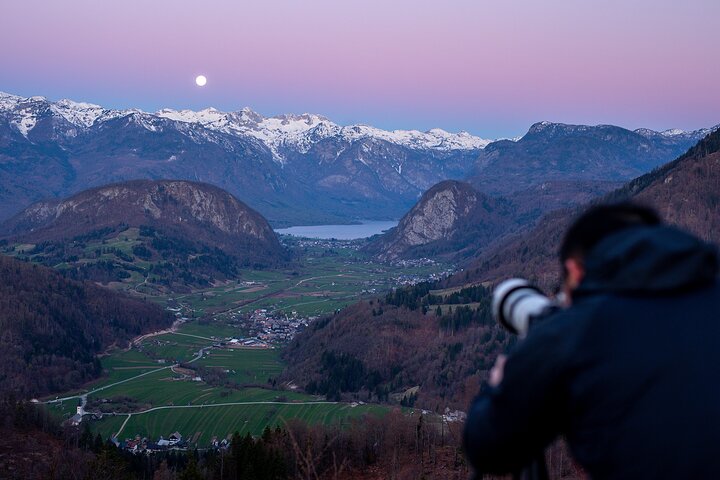

Key Takeaways
- Slovenia offers incredible natural and cultural photo opportunities—from Lake Bled sunrises to Julian Alps and coastal sunsets
- Perfect for hobbyists, content creators, and travelers seeking mindful photography experiences
- Choose from guided tours or self-paced options designed for optimal golden hour shooting
- Multi-day and seasonal itineraries cater to different interests—wildlife, architecture, or landscapes
- Best visiting times: Spring for wildflowers, autumn for vibrant colors, winter for dramatic mountain moods
Why Slovenia is a Photographer’s Dream
Slovenia remains one of Europe’s most underrated photography destinations, offering an extraordinary variety of landscapes packed into a country smaller than New Jersey. From fairytale castles reflected in pristine alpine lakes to dramatic limestone cliffs meeting the Adriatic Sea, this small nation delivers visual treasures that rival destinations ten times its size.
The country’s compact geography means photographers can capture sunrise over Lake Bled, explore medieval streets in Ljubljana by afternoon, and catch sunset along the Istrian coast—all in a single day. Slovenia photography tours take advantage of this unique accessibility while ensuring visitors discover both iconic viewpoints and hidden gems known only to locals.
What Makes Slovenia Ideal for Photography Tours?
Slovenia’s photographic appeal lies in its remarkable diversity and accessibility. The Julian Alps provide dramatic mountain backdrops, while the Pannonian Plain offers rolling vineyards and traditional farmland scenes. The short Adriatic coastline delivers Mediterranean charm, and the Karst region reveals mysterious cave systems and underground rivers.
This geographic variety means photographers encounter constantly changing light conditions and compositions. The country’s relatively small size allows tour groups to move efficiently between locations, maximizing shooting opportunities without exhausting travel times. Additionally, Slovenia’s well-maintained infrastructure and English-speaking guides make it accessible for international photographers of all experience levels.
The slower pace of Slovenian life creates ideal conditions for patient photography work. Unlike crowded tourist destinations, many of Slovenia’s most beautiful locations remain peaceful, allowing photographers to work methodically and capture authentic moments without rushing.
Popular Themes and Locations for Slovenia Photography
Natural Landscapes dominate most photography tours, with Lake Bled serving as the country’s most iconic subject. The island church and clifftop castle create perfect foreground and background elements, while early morning mist adds ethereal quality to sunrise shots. Lake Bohinj offers a wilder alternative, surrounded by pristine forest and reflecting the towering peaks of Triglav National Park.
The Soca River valley provides some of Europe’s most stunning alpine photography, with its distinctive emerald-green waters cutting through limestone gorges. Photographers frequently capture the river’s famous pools and waterfalls, particularly around Bovec and Kobarid.
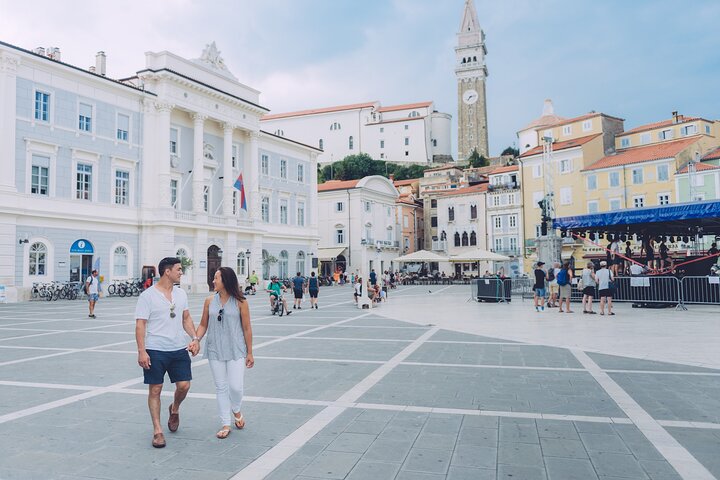
Cultural and Historical photography centers on Ljubljana’s baroque architecture and colorful riverside buildings. The capital city’s car-free center allows for comfortable street photography, while the hilltop castle provides panoramic city views. Coastal Piran offers Venetian-influenced architecture and harbor scenes reminiscent of the Italian Riviera.
Medieval castles like Predjama, dramatically built into a cliff face, and Bled Castle, perched above the lake, provide striking architectural subjects against natural backdrops.
Seasonal Photography opportunities change dramatically throughout the year. Spring brings wildflower meadows and fresh green landscapes, while autumn delivers spectacular foliage in the Julian Alps and wine country. Winter transforms the landscape with snow-covered peaks and mystical fog rolling through valleys.
Wildlife and Macro photography finds rich subjects in Slovenia’s diverse ecosystems. Alpine flowers bloom spectacularly in mountain meadows, while the country’s wetland areas attract numerous bird species. Brown bears, though rarely seen, inhabit the southern forests, and photographers sometimes capture evidence of their presence.
What to Expect from Photography Tours in Slovenia
Slovenia photography tours typically operate with small groups, usually 4-8 participants, allowing for personalized attention and flexible itineraries. Many tours focus heavily on optimal lighting conditions, organizing sunrise and sunset sessions at carefully chosen locations.
Local guides often possess intimate knowledge of weather patterns and seasonal changes, helping photographers anticipate the best conditions. These guides frequently share technical photography advice alongside cultural insights, creating educational experiences that improve both artistic skills and cultural understanding.
Tours commonly include light hiking to reach exclusive viewpoints away from standard tourist paths. The physical demands remain moderate, making tours accessible to photographers who may not be experienced hikers. Many locations require only short walks from parking areas, though some dramatic viewpoints might involve 30-60 minute hikes.
Equipment requirements vary by tour, but most welcome photographers using any camera type, from smartphones to professional DSLRs. Guides often provide practical advice about lens selection and camera settings specific to Slovenia’s lighting conditions.
Tips for First-Time Visitors Booking a Photography Tour
Equipment preparation should focus on Slovenia’s diverse shooting conditions. A wide-angle lens captures the country’s expansive landscapes, while a sturdy tripod proves essential for sunrise and sunset sessions. Weather can change quickly in mountainous areas, so protective gear for cameras becomes important.
Timing considerations significantly impact photographic results. Spring (April-May) offers mild weather and blooming landscapes, while autumn (September-October) provides spectacular colors and clear mountain views. Winter tours capture dramatic moody scenes but require cold-weather preparation. Summer’s long daylight hours provide extended shooting time but may include crowded popular locations.
Accommodation and transportation arrangements vary significantly between tour operators. Some include comfortable hotels and private transport, while others focus on budget-friendly options or expect participants to arrange their own accommodation. Clarifying these details before booking prevents misunderstandings and ensures the tour matches expectations.
Post-processing education has become increasingly popular, with some tours including editing sessions where participants learn to enhance their Slovenia photographs using professional techniques.
FAQ About Slovenia Photography Tours
Do I need professional gear to join these tours?
- Any camera works—DSLR, mirrorless, or high-quality smartphone
- Guides provide technical advice for all equipment types
- Focus on creativity and composition rather than expensive gear
- Many successful tour participants use basic equipment
When is the best time to visit Slovenia for photography?
- Spring (April-May): Wildflowers, mild weather, fewer crowds
- Autumn (September-October): Spectacular colors, clear mountain views
- Winter (December-February): Dramatic moody scenes, snow-covered landscapes
- Summer (June-August): Long daylight hours, warm weather, busier locations
Are these tours suitable for solo travelers?
- Most tours welcome individual participants
- Small group sizes create friendly, community atmosphere
- Shared passion for photography builds quick connections
- Single supplements may apply for private accommodation
Can beginners join these tours?
- Tours accommodate all skill levels from beginner to professional
- Guides provide personalized instruction and technical tips
- Group learning environment encourages skill development
- No prior photography experience required
How physically demanding are Slovenia photography tours?
- Most locations require only short walks from parking areas
- Some dramatic viewpoints involve 30-60 minute moderate hikes
- Physical requirements clearly stated in tour descriptions
- Alternative locations available for those preferring easier access