

Slovenia Dining Experiences Tours: A Culinary Journey Through Alpine Charm




Key Takeaways
- Slovenia dining tours offer unique, intimate ways to experience local cuisine
- From alpine feasts to coastal seafood dinners, the diversity is stunning
- Many experiences include vineyard meals, farm-to-table settings, or chef-led tastings
- Great for couples, foodies, wine lovers, and slow travelers
- These tours go beyond eating — they connect you to culture, people, and place
Why Dining in Slovenia Is an Experience in Itself
There’s a world of difference between grabbing a quick meal and truly experiencing food culture. In Slovenia, dining isn’t just about satisfying hunger—it’s about connecting with centuries-old traditions, meeting passionate local producers, and savoring flavors that tell the story of this remarkable country.
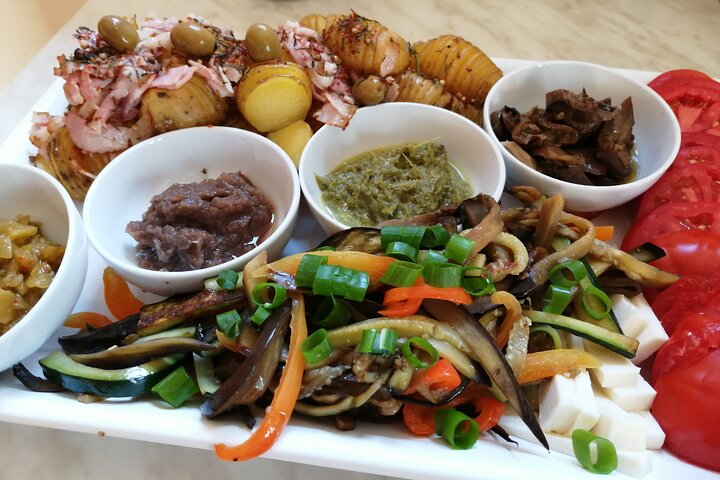
Slovenia’s four distinct culinary regions each bring something special to the table. The Alpine north offers hearty mountain fare with fresh dairy and wild game. The Mediterranean coast brings seafood, olive oil, and sun-ripened vegetables. The Pannonian plains provide rich stews and wine country delicacies. And the mysterious Karst region delivers world-famous truffles and prosciutto aged in natural caves.
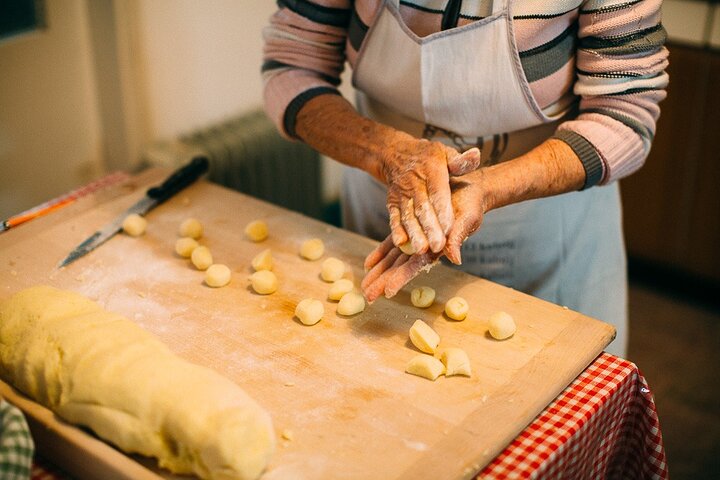
What makes Slovenia dining experiences truly special is the warmth of Slovenian hospitality. Locals take genuine pride in sharing their culinary heritage, whether it’s a grandmother teaching you to make štruklji in her kitchen or a winemaker explaining terroir while you dine among the vines. Every meal becomes a story, every bite a memory.
What Makes Slovenia Dining Experiences Special?
Slovenia dining tours stand apart from typical restaurant meals because they’re designed to be immersive cultural experiences. Here’s what sets them apart:
Intimate, Personal Settings: Many dining experiences take place in family-run farms, private vineyards, or local homes rather than commercial restaurants. You might find yourself dining in a 400-year-old wine cellar or enjoying sunset dinner on a hilltop overlooking Lake Bled.
Farm-to-Table Authenticity: Slovenia’s commitment to fresh, seasonal ingredients means your meal likely features produce harvested that morning, cheese made on-site, or wine pressed from grapes you can see growing outside the window. This isn’t just trendy—it’s how Slovenians have always eaten.
Storytelling and Connection: These aren’t silent meals. Your hosts share stories about regional traditions, explain cooking techniques passed down through generations, and offer insights into local life you’d never get from a guidebook. Many experiences include hands-on elements like truffle hunting, grape picking, or learning traditional recipes.
Wine and Pairing Excellence: Slovenia’s wine regions produce exceptional varietals often unknown outside the country. Dining experiences frequently include carefully chosen wine pairings that showcase local vineyards, with many hosted by the winemakers themselves.
Types of Dining Tours You Might Encounter
Slovenia’s diverse landscape and culinary traditions create opportunities for incredibly varied dining experiences:
Vineyard Dinners at Golden Hour: Picture yourself dining among the vines as the sun sets over rolling hills, with each course paired with wines made from grapes growing around your table. The Brda and Vipava Valley regions are particularly magical for these experiences.
Alpine Cheese and Mountain Feasts: High in the Julian Alps, local farmers create artisanal cheeses and cured meats using traditional methods. These mountain dining experiences often feature hearty, warming dishes perfect after a day of hiking or sightseeing.
Karst Region Truffle Adventures: The underground rivers of the Karst region create perfect conditions for truffles. Dining experiences here might include truffle hunting with trained dogs, followed by multi-course meals showcasing these “diamonds of the kitchen.”
Coastal Seafood and Olive Oil Tastings: Along Slovenia’s small but spectacular coastline, dining experiences highlight fresh Adriatic seafood, locally produced olive oils, and the Mediterranean influence on Slovenian cuisine.
Ljubljana Food Walks with Private Dinners: The capital city offers food tours that explore local markets, traditional eateries, and hidden gems, often concluding with an intimate dinner featuring the day’s discoveries.
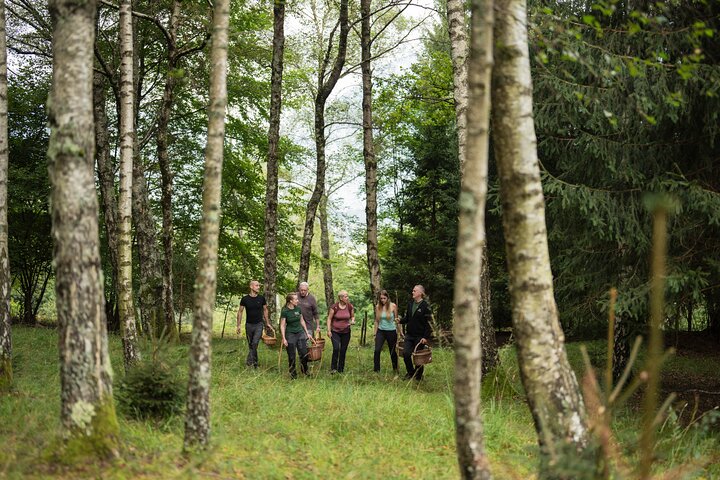
Foraged Ingredient Experiences: Some of the most unique dining tours involve foraging for wild herbs, mushrooms, or edible flowers, then incorporating these ingredients into your meal with guidance from local experts.
What to Expect on a Dining Tour in Slovenia
Duration and Timing: Most Slovenia dining experiences last 2-4 hours, though some full-day adventures combine multiple elements like wine tasting, cooking classes, or cultural activities. Evening experiences often begin around sunset to take advantage of Slovenia’s stunning golden hour lighting.
Group Sizes: These experiences pride themselves on intimacy. Many are designed for small groups of 6-12 people, while others offer completely private experiences for couples or families. This intimate scale allows for meaningful conversation and personalized attention.
Locations and Settings: You’ll find dining experiences throughout Slovenia, from Ljubljana’s charming Old Town to remote mountain farms. Popular locations include Lake Bled, the Vipava Valley wine region, coastal Piran, and countryside villages where time seems to stand still.
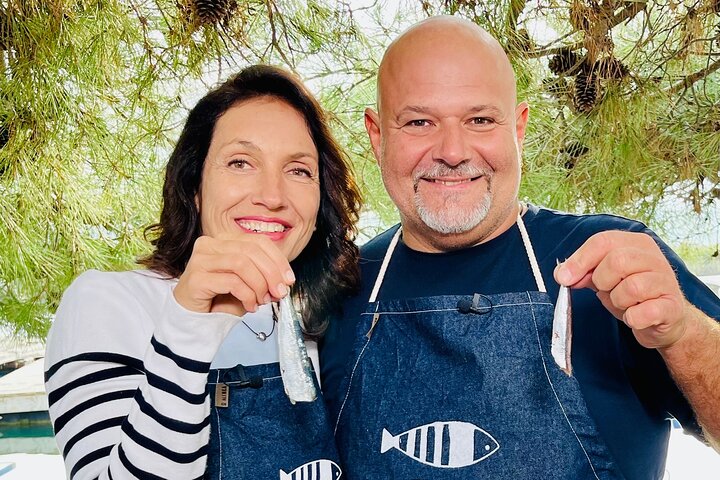
Your Hosts: The people leading these experiences are passionate about their craft. You might dine with third-generation winemakers, innovative young chefs, farming families, or local food historians. Most hosts speak English well and love sharing their knowledge with international visitors.
Seasonal Considerations: Slovenia’s distinct seasons greatly influence dining experiences. Spring brings wild asparagus and fresh herbs, summer offers abundant vegetables and outdoor dining, autumn is harvest season with truffles and new wine, while winter provides hearty comfort foods and cozy indoor settings.
What’s Included: Most experiences include all food, wine pairings, and any special activities like cooking demonstrations or farm tours. Transportation is sometimes included, particularly for experiences in rural areas.
Planning Your Slovenia Dining Experience
Booking in Advance: Slovenia’s dining experiences have limited capacity by design, and the best ones fill up quickly, especially during peak season (May-September). Booking 2-4 weeks ahead is recommended, though some experiences can accommodate last-minute requests.
Dietary Accommodations: Slovenian hosts are generally very accommodating of dietary restrictions, especially vegetarian needs. Many experiences can be adapted for gluten-free, dairy-free, or other special diets when mentioned during booking.
Family Considerations: While some dining experiences are romantic or adult-focused (particularly wine-heavy experiences), many are wonderfully family-friendly. Farm-based experiences often delight children with animals, traditional cooking methods, and outdoor settings.
Seasonal Timing: Each season offers different specialties. Spring features fresh vegetables and Easter traditions, summer brings outdoor dining and fresh produce, autumn offers harvest celebrations and truffle season, while winter provides cozy indoor experiences with preserved foods and hearty stews.
Cultural Preparation: No special preparation is needed, though learning a few Slovenian phrases like “hvala” (thank you) and “dober tek” (bon appétit) is always appreciated. Your hosts will guide you through local customs and traditions.
Beyond the Plate: The Cultural Experience
Slovenia dining experiences offer something restaurants rarely can: a window into local life and culture. You’ll learn about Slovenia’s unique position at the crossroads of Alpine, Mediterranean, and Slavic cultures, and how this influences everything from ingredients to cooking methods.
Many experiences include visits to local producers—beekeepers, cheese makers, olive oil producers, or traditional butchers. These encounters provide insight into how Slovenians maintain artisanal traditions while embracing modern techniques.
The social aspect is equally important. Slovenians view meals as opportunities for connection, conversation, and celebration. During your dining experience, you’ll likely find yourself drawn into discussions about everything from local history to family traditions, creating connections that extend far beyond the meal itself.
Making the Most of Your Slovenia Culinary Journey
Slovenia dining experiences work beautifully as standalone activities or as parts of longer itineraries. They pair perfectly with wine region tours, outdoor adventures, or cultural sightseeing. Many visitors find that these dining experiences become the highlight of their trip, providing both delicious memories and deeper cultural understanding.
Consider planning multiple dining experiences to explore different regions and styles. A vineyard dinner in Brda, a truffle tasting in the Karst, and an alpine feast near Lake Bled would give you a comprehensive taste of Slovenia’s culinary diversity.
FAQs About Slovenia Dining Experiences
Q: Do I need to book Slovenia dining experiences in advance?
A: Yes, advance booking is essential for most experiences due to:
- Limited group sizes (typically 6-12 people)
- Seasonal availability of ingredients
- Host preparation requirements
- High demand during peak season (May-September) Book 2-4 weeks ahead for best selection, though some experiences accommodate last-minute requests.
Q: Are vegetarian or special diets accommodated on dining tours?
A: Most hosts gladly accommodate dietary restrictions when notified in advance:
- Vegetarian options are widely available
- Gluten-free adaptations are common
- Dairy-free alternatives can usually be arranged
- Vegan options available with advance notice Always mention dietary needs when booking for the best experience.
Q: Are Slovenia dining experiences suitable for children?
A: Family-friendliness varies by experience type:
- Great for kids: Farm-based experiences, cooking classes, daytime tours
- Adults preferred: Wine-heavy experiences, late evening dinners, formal tastings
- Mixed: Many experiences welcome families but check age recommendations Most hosts are happy to adapt meals for children’s tastes when requested.
Q: What’s the difference between a dining experience and eating at a restaurant?
A: Dining experiences offer immersive cultural encounters beyond just food:
- Personal interaction with local hosts and producers
- Stories about traditions, ingredients, and local culture
- Often includes activities like cooking, foraging, or farm tours
- Custom menus featuring seasonal, local specialties
- Intimate settings in homes, farms, or unique venues They’re cultural experiences that happen to involve incredible food.
Q: How long do Slovenia dining experiences typically last?
A: Duration varies by experience type:
- Short experiences: 2-3 hours (wine tastings, cooking classes)
- Standard dinners: 3-4 hours (most vineyard and farm dinners)
- Full experiences: 5-6 hours (combined activities like foraging + cooking + dining)
- Day-long adventures: 6-8 hours (multi-location tours with various activities) Check specific experience details when booking to plan your schedule accordingly.