
Slovenia Architecture Tours: Discover Hidden Architectural Gems



Key Takeaways
- Slovenia offers a surprising diversity of architectural styles in a small, walkable country perfect for exploration
- Explore everything from Roman remains and Gothic churches to Baroque palaces and socialist-modernist buildings
- Ljubljana, the capital, is a hub for architecture lovers — thanks to visionary architect Jože Plečnik
- Architecture tours often include cultural context, local legends, and access to unique viewpoints most visitors miss
- Ideal for travelers who enjoy combining aesthetics, history, and culture in one unforgettable experience
Most travelers think of Slovenia for its pristine lakes and mountain vistas, but architecture enthusiasts are discovering something remarkable: this compact Central European nation is actually one of Europe’s most underrated architectural playgrounds.
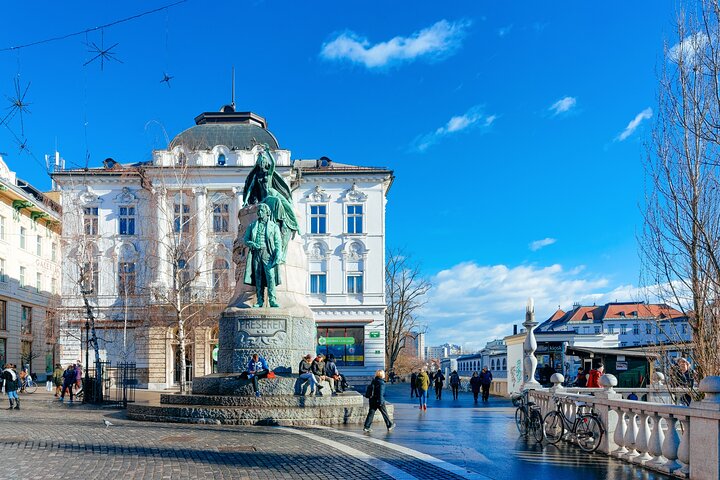
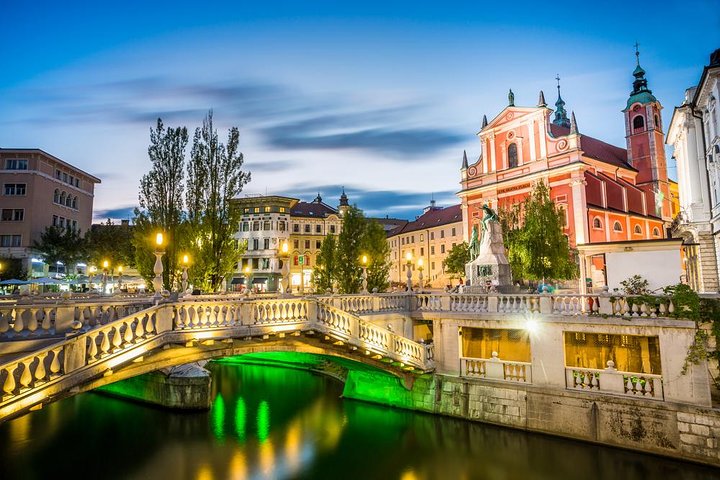
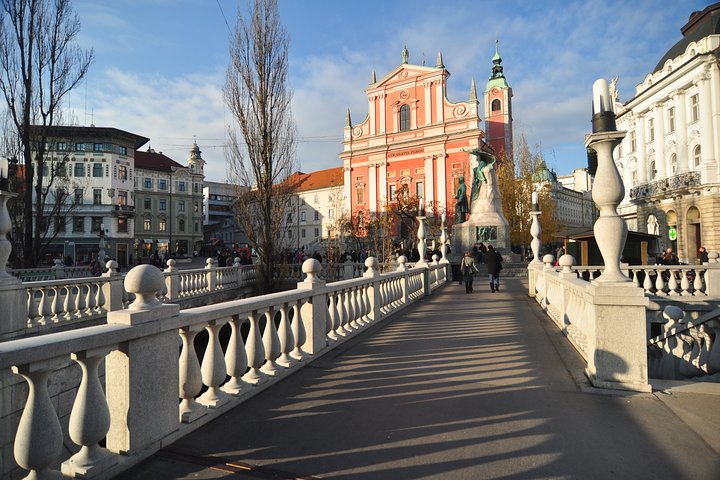
Picture this: you’re standing on Ljubljana’s iconic Triple Bridge, designed by the legendary Jože Plečnik, watching the morning light dance across a cityscape that seamlessly blends Roman ruins with Art Nouveau facades and contemporary design. This isn’t just sightseeing—it’s time travel through stone and steel.
Slovenia architecture tours reveal a country where every building tells a story, where medieval castles perch dramatically on clifftops, and where a single city block might showcase five different architectural periods. It’s like having Europe’s entire architectural history condensed into a country you can drive across in three hours.
A Walk Through Time and Style
Roman Legacy: Where It All Began
Slovenia’s architectural journey starts deep underground in Ljubljana, where Roman Emona’s ancient walls still stand. These aren’t just dusty ruins—they’re living foundations that continue to shape the city above. In Ptuj, Slovenia’s oldest town, you can literally walk on Roman streets and touch stones that once witnessed gladiator games.
The beauty of Slovenia architecture tours lies in these unexpected discoveries. Your guide might lead you down a seemingly ordinary street, then suddenly reveal a 2,000-year-old wall hiding behind a modern cafe. It’s architecture with personality, where ancient and contemporary don’t just coexist—they actively engage in conversation.
Medieval & Gothic: Fairy Tale Fortresses
Slovenia’s hilltop castles aren’t just Instagram backdrops—they’re masterclasses in medieval engineering. Predjama Castle, built into a cliff face, represents the kind of architectural audacity that makes you question what’s actually possible. These Gothic structures tell stories of survival, creativity, and the human desire to build something beautiful even in the most challenging circumstances.
The country’s old churches and fortified towns reveal a different side of Gothic architecture—more intimate, more human-scaled than their grand European counterparts. Walking through Škofja Loka’s medieval core feels like stepping into a living museum where every stone has been worn smooth by centuries of daily life.
Baroque & Renaissance: When Slovenia Got Fancy
The Baroque period brought theatrical grandeur to Slovenia, and nowhere is this more evident than in Ljubljana’s Old Town. But here’s what makes Slovenian Baroque special: it’s approachable. These aren’t intimidating palace complexes—they’re buildings designed for real people living real lives.
Slovenia architecture tours excel at revealing the human stories behind these ornate facades. You’ll learn about the Italian architects who brought Renaissance ideals north, about local craftsmen who added their own interpretations, and about how political changes literally shaped the skyline.
Art Nouveau & Plečnik’s Revolutionary Vision
Here’s where Slovenia’s architectural story gets truly unique. Jože Plečnik didn’t just design buildings—he reimagined an entire city. His work in Ljubljana represents one of the most coherent urban architectural visions in Europe, yet it feels organic, almost inevitable.
The Triple Bridge, Central Market, and Žale Cemetery aren’t just tourist attractions—they’re proof that modern architecture can enhance rather than dominate its surroundings. Plečnik understood something many architects miss: buildings should serve people, not the other way around.
Modernism & Socialist-Era Design: Beauty in the Unexpected
Slovenia’s 20th-century architecture challenges preconceptions about communist-era building. Yes, there are concrete apartment blocks, but there are also surprisingly elegant public buildings, thoughtful urban planning, and architectural solutions that prioritized community and accessibility.
The best Slovenia architecture tours help you see past stereotypes to appreciate the genuine innovations of this period. These buildings represent a fascinating experiment in social architecture—what happens when you design for collective rather than individual needs?
What to Expect on Slovenia Architecture Tours
Walking Tours That Actually Walk
Most Slovenia architecture tours involve significant walking, but this isn’t a forced march through endless monuments. Routes are designed to reveal the city’s architectural layers naturally, with plenty of opportunities to stop, photograph, and absorb what you’re seeing.
Guides understand that architecture is best experienced at human speed. You’ll have time to notice details—the way light hits a particular facade, how different architectural periods create visual conversations, the small human touches that make buildings feel alive.
Stories That Bring Stone to Life
The best architecture guides are part historian, part storyteller, part detective. They’ll show you how to read buildings like books, how to spot the difference between authentic historical details and later additions, and how architectural choices reflected the political and social realities of their time.
Expect to learn about local legends, architectural scandals, and the personalities behind Slovenia’s most important buildings. These aren’t dry history lessons—they’re entertaining stories that happen to feature buildings as main characters.
Insider Access and Hidden Viewpoints
Many Slovenia architecture tours include access to spaces most visitors never see—church bell towers, historic building interiors, rooftop terraces, and underground chambers. This insider access transforms your understanding of how these buildings actually function.
Your guide might arrange a special viewing of Ljubljana Castle’s medieval chambers, or provide access to a Art Nouveau building’s original staircase. These moments create connections between past and present that simple exterior viewing can’t match.
Photography Opportunities Everywhere
Slovenia’s compact size means dramatic architectural contrasts appear within single camera frames. You’ll capture medieval towers against modern glass, Baroque churches reflected in contemporary fountains, and Roman ruins surrounded by bustling cafes.
The country’s excellent light—especially during golden hour—makes even the most humble buildings look spectacular. Professional photographers and smartphone snappers alike find plenty of inspiring subjects on every Slovenia architecture tour.
Best Cities and Regions for Architecture Fans
Ljubljana: Plečnik’s Living Laboratory
Ljubljana functions as Slovenia’s architectural showcase, where Jože Plečnik’s vision created one of Europe’s most cohesive urban environments. The city center reveals new architectural details with every visit—carved dragons, hidden courtyards, bridges that function as public squares.
Beyond Plečnik’s masterpieces, Ljubljana offers layers of Roman foundations, medieval churches, Baroque palaces, and contemporary interventions that respect rather than compete with their historical context. It’s urban architecture at its most human scale.
Ptuj: Slovenia’s Oldest Architectural Story
As Slovenia’s oldest town, Ptuj offers a complete architectural timeline in miniature. Roman remains, medieval fortifications, Renaissance details, and modern additions create a living museum where you can literally walk through centuries of building evolution.
The town’s manageable size means you can explore its entire architectural heritage in a single afternoon, making it perfect for travelers who want comprehensive architectural immersion without overwhelming complexity.
Piran & the Coast: Where Venice Meets the Adriatic
Slovenia’s brief coastline packs remarkable architectural density into just 47 kilometers. Piran’s Venetian Gothic architecture creates one of the Mediterranean’s most photogenic urban environments, while nearby coastal towns reveal how Italian architectural traditions adapted to local conditions.
The contrast between coastal and inland architecture becomes apparent on tours that combine seaside and mountain regions—different climates, materials, and cultural influences produced distinctly different architectural solutions.
Maribor: Renaissance Charm Meets Modern Innovation
Slovenia’s second-largest city balances historical preservation with contemporary growth, creating interesting architectural dialogues between old and new. Medieval foundations support Renaissance details, while modern additions respect rather than dominate the existing urban fabric.
Slovenia architecture tours in Maribor often focus on how cities can grow while maintaining their architectural character—a relevant lesson for contemporary urban planning challenges.
Smaller Towns: Architectural Gems in Miniature
Celje, Kranj, and Škofja Loka represent Slovenia’s talent for creating architecturally significant environments at intimate scales. These towns offer concentrated architectural experiences—medieval centers, castle complexes, and unique urban layouts that reveal how historical communities organized themselves around buildings.
Frequently Asked Questions
Are Slovenia architecture tours suitable for beginners?
Absolutely. Most tours are designed for curious travelers rather than architecture students. Guides excel at making complex architectural concepts accessible and entertaining. No prior knowledge required—just curiosity about buildings and their stories.
How long do Slovenia architecture tours typically last?
Tour lengths vary by focus and location:
- City walking tours: 2-4 hours
- Full-day regional tours: 6-8 hours including travel time
- Multi-day architectural journeys: 2-5 days covering multiple regions
- Specialized tours (single architect/period): 3-5 hours
Do I need architectural knowledge to enjoy these tours?
Not at all. The best Slovenia architecture tours are designed for general travelers who appreciate beauty, history, and culture. Guides provide context and explanation that enhances rather than overwhelms the experience. Your enthusiasm matters more than expertise.
What’s the best season for Slovenia architecture tours?
Spring (April-May) and autumn (September-October) offer ideal conditions:
- Comfortable walking weather
- Excellent photography light
- Fewer crowds at popular sites
- Pleasant temperatures for extended outdoor exploration
Summer works well but expect more tourists and occasional heat. Winter tours are possible but may limit outdoor time and access to certain locations.
Are there kid-friendly architecture tour options?
Yes, with the right approach. Some guides specialize in making architecture engaging for families:
- Interactive storytelling methods
- Focus on castles, dragons, and legends
- Shorter duration tours (1-2 hours)
- Activities that engage children’s curiosity
- Tours combining architecture with parks or interactive elements
Best for children 8+ years old who can handle walking and maintain attention for structured activities.
See Slovenia Through an Architectural Lens
Slovenia proves that great architecture isn’t just about famous monuments or celebrity architects—it’s about creating spaces where people can live, work, and dream beautifully. From Roman foundations to Plečnik’s revolutionary visions, from medieval castles to contemporary innovations, this small country offers architectural experiences that rival any European destination.
Slovenia architecture tours reveal a country where buildings aren’t just structures—they’re storytellers, time machines, and works of art all rolled into one. Whether you’re marveling at the engineering audacity of a cliff-side castle or appreciating the subtle genius of a perfectly proportioned bridge, you’re experiencing architecture as it should be: human-scaled, historically aware, and genuinely beautiful.
The best part? You can explore Slovenia’s entire architectural heritage in a single trip, from Roman ruins to cutting-edge contemporary design, all within a country small enough to feel manageable yet diverse enough to surprise you constantly. It’s architecture tourism at its most rewarding—intimate, authentic, and absolutely unforgettable.